How a low-fat or "light" diet makes you fat
Breaking news: FATS DON'T MAKE YOU FAT! This is what I hope you will keep in your mind after reading this.
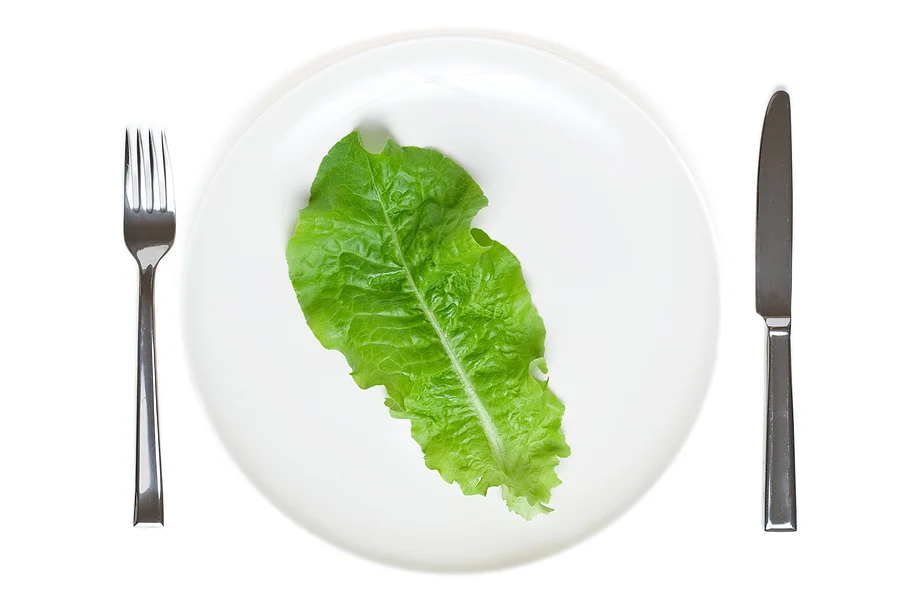
Breaking news: FATS DON'T MAKE YOU FAT!
This is what I hope you will keep in your mind after reading this.
Fats have been demonized for decades. And as research and objective facts have proven it: the human population hasn't been doing very well since they have been decreasing their fats consumption and increasing their (bad) carbs intake. Facts speak for themselves.
And still, I can see people choosing low-fat versions of things, or "diet" soda, thinking this won't make them fat. This is SO WRONG. Those processed products should be banned, and shouldn't even be named as "food".
Fats are essential to the primal functioning of all cells in your body. Without good fats, you would die. Life can physically not happen without fat. Obviously, I am talking about the right types of fats here: saturated fats, Omega 3/Omega 6, mono-unsaturated fats.
Many studies have shown how eating good fats helps decrease cardiovascular health problems, stroke, and myocardial infarction. Many studies also show that eating good fats is actually necessary to be healthy, and that being deprived accelerates the aging process — and death.
Now, so many people today are concerned with their physical appearance that maybe knowing that eating fats keeps you healthy won't really convince them. Well here it is: good fats make you lose weight! It is eating sugars and grains that will make you fat. I like to say that good fats flush out the bad fats in your body.
Refined carbs from sugar or grains are among the primary causes behind today's skyrocketing obesity rates, diabetes, heart disease, chronic diseases and even cancer. By decreasing the amount of sugar/grains you are eating, and increasing the amount of saturated fats, you can significantly help reverse, prevent and/or heal most chronic health issues. One way to do that is to avoid all types of processed foods and choose only fresh, organic wholefoods.
A very important point: DON'T CUT YOUR VEGETABLE INTAKE. Those are essential carbs that your body needs! When you start decreasing your daily sugar/grains intake, it is even more important to increase your amount of fats, proteins and vegetables daily — to feel satiated and help your body in its healing and detoxification process.
Comparing the same amount of calories between good fats and fructose, good fats are much more nourishing and won't have any of the very negative metabolic effects of fructose. Fructose actually tricks your body by turning off your appetite-control system. Therefore, when you eat some, you can't really stop eating more of it. Fructose leads to weight gain, especially in the abdominal area. It disrupts the balance of cholesterol, increases triglycerides, increases blood sugar levels and blood pressure. In the medium to long term, this can lead to type 2 diabetes, heart disease, any other chronic disease and even cancer.
An important point here: you cannot compensate for it by exercising more. Fructose literally nullifies hard work by preventing natural human growth hormone.
So yes — stop eating so many refined carbs, and even be mindful of the amount of fruit you are eating. The daily dose of 15–25g of fructose per day shouldn't be exceeded.
So now you get the picture: fats don't make you fat. They are vitally essential for you to live. On the contrary, refined carbs — especially all types of sugars and grains — can make you chronically sick, fatigued, with brain fog, moody, and cause your body to store unwanted fat.
So, bad carbs make you fat; good fats make you healthy and help with weight management. Here are a few important points to understand why, biologically, fats are our allies:
1. No fat = no bile secreted = toxic bile accumulation in the gallbladder
For bile to be released by the gallbladder, fats must be ingested. They are the trigger for healthy bile release, which is essential to the whole digestive tract, and which contributes to toxins and excess hormones detoxification. When someone has been on a low-fat diet for a while, the bile just sits there, becoming thick, viscous and toxic. That's also how gallstones can occur — many people on low-fat diets have their gallbladder removed. If you have been on a low-fat diet for a while, increase your fat intake gradually, so that your gallbladder can adapt and start functioning again. Like your muscles, the gallbladder follows a simple rule: use it, or lose it.
2. A good cholesterol balance requires a right amount of good fats
Cholesterol is a healthy agent that gets mainly produced by your body itself, to protect you from inflammation and/or stress. It acts like a healing agent. Low cholesterol levels are linked to an increased mortality rate, increased rate of depression, increased rate of crimes/suicides and increased risk of dementia or Alzheimer's.
Saturated fats — like in raw grass-fed butter, animal fats, or coconut oil — are essential to help balance your cholesterol and improve its quality (bad small, dense LDL becomes larger and more fluffy, which is much better and healthier).
You cannot live without cholesterol, and you cannot live without a good fats intake.
3. Fats are essential to absorb fat-soluble vitamins
Here we are talking about vitamin A, vitamin D, vitamin E and vitamin K. Those essential vitamins need fats to be absorbed. If you take them without any fat supply, your body simply cannot absorb them, no matter how many supplements you take or how many colourful vegetables you eat. This is why eating a fat-free diet will eventually lead to major deficiencies.
4. Your hormones are made of fats and cholesterol
All your steroid hormones — cortisol, oestrogen, progesterone, testosterone, DHEA — are synthesised from cholesterol. Without adequate fat and cholesterol intake, your body cannot produce the hormones it needs. This is one of the most common reasons why women eating low-fat diets experience hormonal imbalances: irregular cycles, infertility, low libido, mood swings and more.
5. Your brain is mostly made of fat
The brain is approximately 60% fat. It requires a constant supply of good fats — particularly omega-3 fatty acids — to function properly. A low-fat diet literally starves your brain. This can manifest as brain fog, poor memory, difficulty concentrating, mood disorders, and even contribute to depression and anxiety.
So which fats should you eat?
The good ones:
- -Raw grass-fed butter and ghee
- -Coconut oil (raw, unrefined)
- -Olive oil (cold-pressed, extra virgin)
- -Avocados and avocado oil
- -Animal fats from pasture-raised animals
- -Nuts and seeds (in moderation)
- -Oily fish (sardines, mackerel, wild salmon)
The ones to avoid:
- -All vegetable/industrial seed oils (canola, sunflower, soybean, corn oil)
- -Margarine and any hydrogenated or partially hydrogenated fats
- -Any "low-fat" or "fat-free" processed product
- -Trans fats
A final note
I truly believe that shifting your relationship with fats — and understanding what they actually do for your body — is one of the most powerful nutritional changes you can make. It takes time to undo decades of bad information, but once you do, the results speak for themselves: better energy, clearer skin, more stable moods, easier weight management, and stronger hormonal health.
Trust the science. Trust your body. Feed it well.
In Love and Happiness,
Stephanie
Stephanie Cuesta
All Articles
