Meditation: the real physical and mental benefits
More than 3000 scientific studies have been done on meditation. Here are the main health benefits acknowledged.
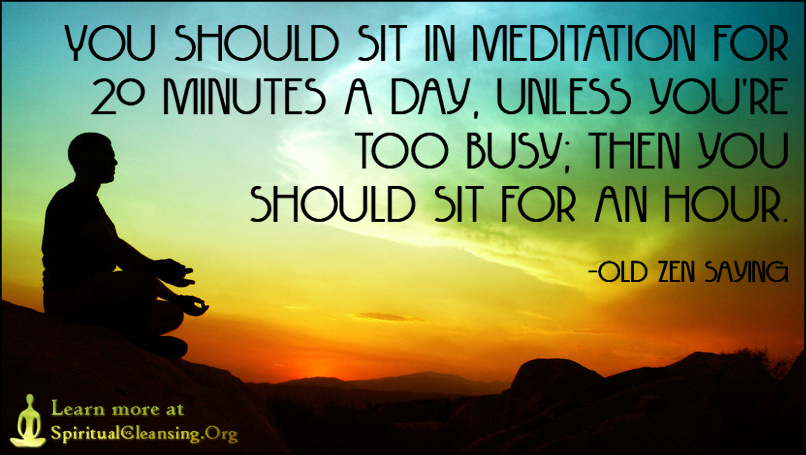
Everyone knows someone experiencing meditation benefits. Once considered "for monks only," scientific research now confirms: meditation has real, measurable physical and mental benefits.
The first impact: lowering overall stress. This explains why:
- -Studies show anti-inflammatory effects
- -Pain relief better than morphine
- -Helps offset age-related ability loss
- -Heals all stress-related diseases
20 minutes of meditation equals 1.5 hours of good sleep — without the annoying "sleep hangover." You gain more time throughout your day.
Physical Benefits (Supported by 3,000+ Studies)
- -Decreases high blood pressure
- -Relieves stress components: muscle/joint tension, pain, headaches, ulcers
- -Helps skin disorders
- -Improves sleep quality (sleep less, feel more refreshed)
- -Increases natural serotonin (directly impacts mood and behavior)
- -Helps manage anxiety attacks
- -Boosts immunity and fights diseases
- -Improves gastro-intestinal distress and IBS
- -Helps relieve arthritis, prevent/heal fibromyalgia and infectious diseases
- -Helps improve PMS and menopausal syndrome
Mental Health Benefits
- -Increases compassion and social bonding
- -Improves self-esteem and self-acceptance
- -Improves emotional stability and decreases anxiety
- -Develops intuition
- -Improves creativity and focus
- -Improves clarity and peace of mind
- -Makes you happy
The Mechanism
Meditation effectively changes your physiology:
- -Decreases stress hormone levels
- -Brings feelings of joy, peace, and enthusiasm
- -Increases confidence
- -Helps you feel more alive
- -Teaches that happiness comes from within
Key Research Finding
After just 20 minutes of practice, cognitive skills increase significantly. Meditation practitioners became 10 times better at cognitive tests than non-meditators.
Scientifically, meditation:
- -Thickens the cortex
- -Increases gray matter throughout the brain
- -Thickens brain regions of attention and sensory processing
- -Decreases age-related brain atrophy
Meditation vs. Caffeine
Meditation has a similar effect to caffeine: it gives energy and boosts productivity. BUT:
- -Caffeine keeps you in constant "fight or flight" stress
- -Meditation brings calm focus
When feeling down and losing focus: take 5-10 minutes to breathe deeply and meditate. The more you do it, the more benefits you'll see.
Getting Started
- -Beginners: 3-5 minutes makes a difference
- -Optimal: 20 minutes minimum to truly feel the difference (but build up slowly)
- -Best timing: Morning before checking your phone/emails (gains you time throughout the day) and before sleeping
- -Consistency matters: More you do it, the more you want to do it
What Works Best For You
Some prefer silence; others respond well to:
- -Deep relaxation music
- -Shamanic drums
- -Alpha, beta, theta sounds to awaken consciousness
Try different approaches and see what resonates. Have fun with it.
Let the magic happen.
In Love and Health,
Stephanie
Stephanie Cuesta
All Articles
