Peanuts: why you should avoid them, even if organic
Not all nuts are created equal. Here's why peanuts deserve a second thought.
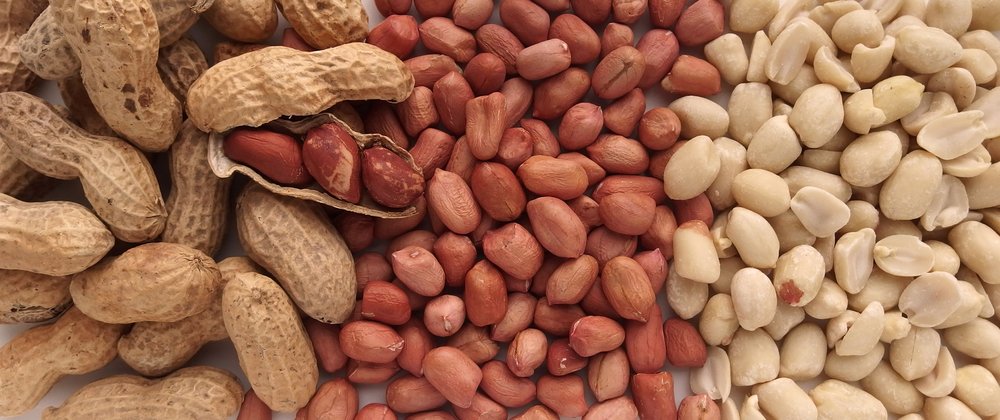
Nuts in general are commonly known as "health foods". Nuts, oils and butters can be found in any health store now. Raw and organic ones are the "elite" class of course.
For most of us, it is normal that peanuts are stocked on shelves together with other almonds, walnuts or macadamia nuts. But I have news for you: peanuts should not be part of that category. PEANUTS ARE NOT NUTS - they are actually part of the LEGUME FAMILY.
Yes, peanuts do contain some good monounsaturated fats and can be quite rich in nutrients like Manganese, Niacin (Vitamin B3), Folate, Vitamin E or Copper. But unfortunately, there are many reasons why peanuts are not as healthy as you might think.
1. Peanuts are naturally moldy
Peanuts, even natural organic ones, are contaminated with a natural mold called aflatoxin, which can be very toxic, especially for the liver. They grow underground and because they are legumes, their shell is softer and more permeable than the shell of other nuts - putting them at ideal temperature and moisture conditions to welcome molds and fungi of all kinds.
This is true EVEN FOR ORGANIC peanuts, as it is due to the way they naturally grow.
2. Non-organic peanuts are highly contaminated with pesticides
Peanuts have a very light shell, and therefore they are much more exposed to all the toxic chemicals they can be sprayed with, as these can penetrate the shell and contaminate the inside easily.
3. Peanuts are rich in lectins
Lectins are anti-nutrients. They prevent your body from healthily absorbing good nutrients and vitamins. They are sticky proteins found in many legumes and are almost impossible to digest, triggering a high immune response in your body. This inflammation state can be the beginning of many chronic diseases, disturbing the good natural functioning of all body systems.
4. Too many Omega-6 fats
Healthy fats are essential to your health, but even more important is the ratio of Omega-3 to Omega-6. The ideal ratio of consumption should be 1:1. Peanuts are very high in Omega-6 and therefore accentuate an already imbalanced ratio even further.
5. Peanuts are rich in oxalates
Oxalates are minerals that form crystals by binding with calcium, especially in your urinary tract. They can cause many troubles on your kidneys and gallbladder.
6. Peanut butter: read the ingredients
All of the above issues are carried over into peanut butter, even if organic and raw. On top of that, commercial peanut butters are often a mix of industrial chemicals: sugar, corn syrup solids (from GMO corn), hydrogenated vegetable oils, mono- and di-glycerides (which contain trans fats), maltodextrin, soy protein concentrate...
7. Better alternatives always exist
Good nut options: almonds, walnuts, macadamia nuts, pecans.
Best way to eat them: raw (unpasteurized) and organic. Let them soak in a bowl of water for at least 12-24 hours in the fridge before you rinse them and let them dry. This is an essential step as the phytic acid in all nuts gets washed off by the water. Phytic acid prevents the good absorption of important minerals.
As for nut butters: always choose organic and raw. Check the labels - the ingredients list should be straightforward: the nuts, maybe some good sea salt, and that's it.
As always, I hope you have learned something from this article and that you are becoming more conscious and aware of what to take care of when you buy food.
In Health and Happiness,
Stephanie
Stephanie Cuesta
All Articles
