A salty myth to debunk
Because nature always knows it best.
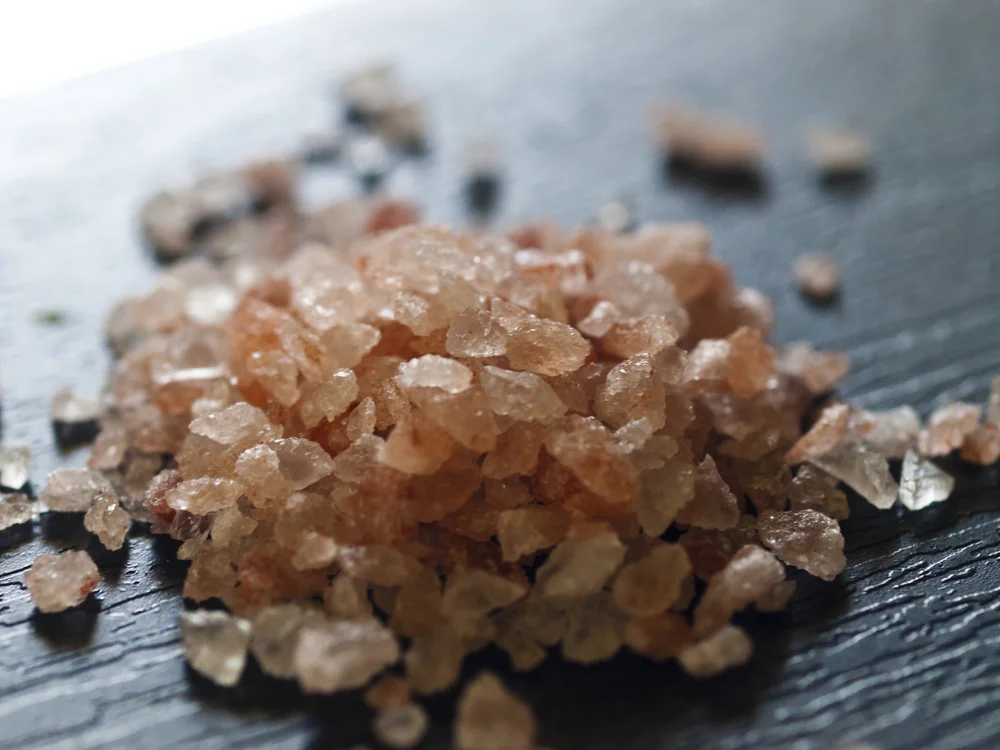
A new myth I would like to debunk here is about... Salt.
As you know I love to debunk some unfounded myths that have been misleading us for too long - healthy fats, cholesterol, margarine, sugar, artificial sweeteners...
Today, I would like to talk about salt, one of our body's most essential compounds.
Why has it been so demonized? Where does this belief come from?
If you look into the research and the different studies that have been made, you will soon understand that unrefined natural salt is actually a nutritional treasure, and that low-salt diets are actually quite harmful to your health.
Salt has always been very important in humans' life. The ancient Romans used to trade salt to pay people. This is actually where the word "salary" itself comes from (same root as salt). One ounce of gold and one ounce of salt were even traded at the same price by ancient explorers. They knew how precious this natural compound was.
The Essential Vital Functions of Salt
- -Salt is a major component of blood plasma - it plays a key role in lymphatic fluids, extracellular fluids and amniotic fluid
- -Salt is crucial to carry nutrients in and out of all cells
- -Salt helps manage and regulate blood pressure
- -Salt helps increase the glial cells in the brain - those cells are responsible for your creative thinking and long-term planning
- -Salt is essential for good communication between the brain and the muscles, allowing you to move on demand, especially thanks to the Sodium/Potassium ion exchange
Refined Salt vs. Natural Unrefined Salt
Today, more than 80% of the salt consumed on average comes from processed foods. And that's bad news, because this type of salt is completely different from what natural unrefined salt can offer.
Common white table salt contains approximately 98% sodium chloride. The remaining 2% is made of man-made harmful chemicals like moisture absorbents, sometimes added iodine, anti-caking agents, ferrocyanide, aluminosilicate or even toxic fluoride.
Natural unrefined salt, for the same volume, contains just 84% sodium chloride. The 16% remainder is made of other naturally occurring minerals and essential trace minerals like silicon, phosphorus, vanadium, sulfate, magnesium, potassium, calcium, bicarbonate, strontium. This shows how much richer and nutrient-dense natural salt is.
Pink Himalayan Salt is especially noteworthy. This salt has been formed by marine fossils over 250 million years ago all over Asia. It is extremely pure, free from any heavy metals and free from today's industrial toxins because it was protected by a layer of lava for millions of years. Many experts claim that today, this is the purest salt on Earth. Its natural pink/red/white color is due to its rich content of more than 84 minerals and iron.
Where the "Bad Salt" Myth Comes From
Salt has been demonized after a study in the 1990s linked salt consumption with hypertension. They analyzed the blood pressure of people having a low-salt diet compared to a more average diet richer in salt. What was overlooked is that the low-salt diet was essentially also low in sugar, and more particularly low in fructose.
The decrease in hypertension was quickly linked to low salt consumption, while the fact that sugar was drastically diminished was completely ignored from the final analysis. The result: a misleading and unfounded conclusion that salt increases the risk of hypertension.
Today we know that one of the major causes of hypertension is excess sugar, and more particularly fructose. Blaming salt instead of sugar in this study caused many years of misinformation.
The Health Benefits of Natural Unrefined Salt
- -Helps improve the absorption of nutrients from your food through the intestinal walls
- -Helps decrease the risk of kidney stones and gallbladder stones
- -Helps stimulate circulation and decrease blood pressure
- -Helps improve overall bone health
- -Helps regulate pH balance, preventing disease and normalizing energy levels
- -Helps relieve muscle cramps
- -Helps balance sleep, blood sugar levels and heart health
- -Helps support adrenal glands, therefore balancing dozens of vital hormone levels
The Importance of the Potassium/Sodium Ratio
This ratio plays an essential role in preventing heart disease, osteoporosis, cataracts, ulcers, stomach cancer and rheumatoid arthritis.
Our ancient ancestors' ratio was about 16:1 (potassium to sodium). Today, if we look at the average modern diet, this ratio is literally upside down - mainly due to the amount of processed foods and processed salt being consumed every single day.
The richest foods in potassium are: avocado, cooked spinach, broccoli, Brussels sprouts, asparagus, winter squash, lima beans.
Conclusion
Trust Nature. Natural unrefined salt is GOOD and even ESSENTIAL for your overall health. Today, pink Himalayan salt is the purest and most mineral-dense you can find. Don't underestimate how much your body needs it, especially if you are chronically fatigued and feeling weak.
Adding a pinch of pink Himalayan salt to your daily water intake is a great way to increase the mineral content of that water.
To keep your Potassium/Sodium ratio balanced, avoid all processed foods and choose nutrient-dense organic whole foods.
In Health and Happiness,
Stephanie
Stephanie Cuesta
All Articles
